Wholebeing for Educators
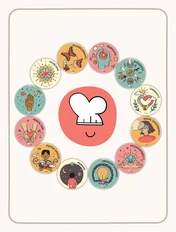
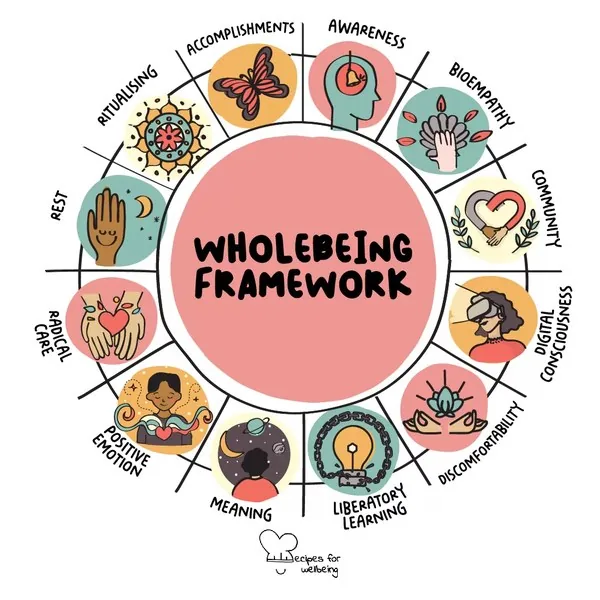
Wholebeing is a way of looking at wellbeing as a set of skills we can learn and practise together: resting well, listening, staying with hard feelings, finding meaning, caring for each other and the places we live. These are the human skills that rarely appear on a report card, organised into twelve domains.
Here you’ll find them ready to use in school: five-minute practices to open or close a lesson, full lessons for ages 13 to 18, and tools for your own reflection. Everything is free.
Start with five minutes. How is the room today?
Choose how the room is Or explore the 31 full lessons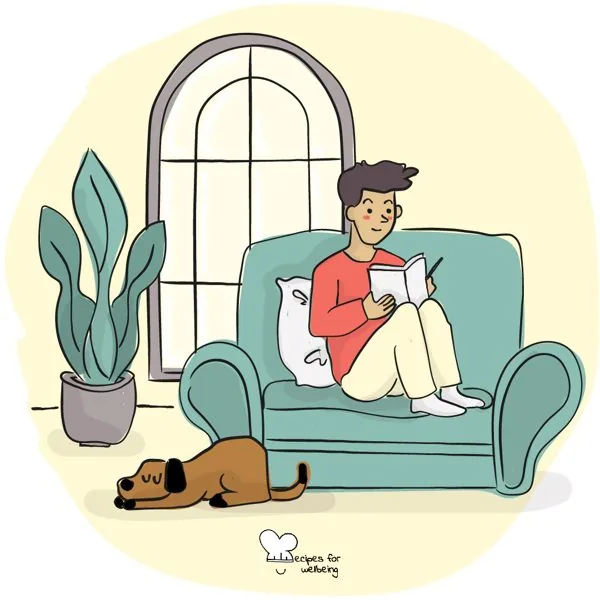
Start with the room you have today
A practice lands best when it meets the room as it is. Choose the description that feels closest, and we will offer one card from the deck. You can keep it, ask for another or leave the practice for a different day.
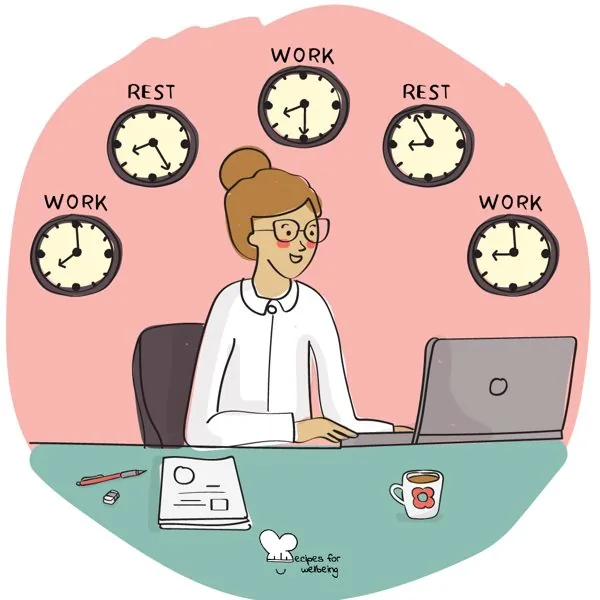
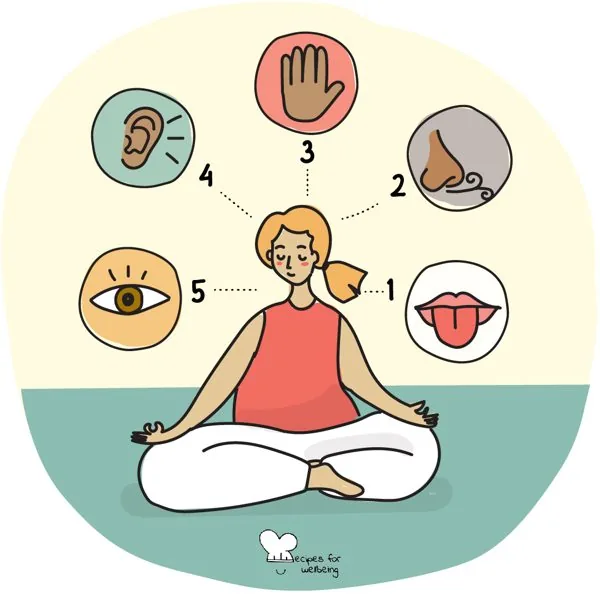
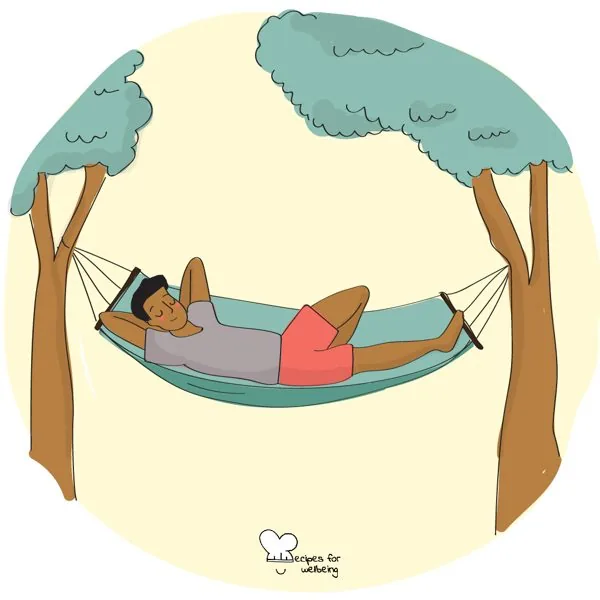
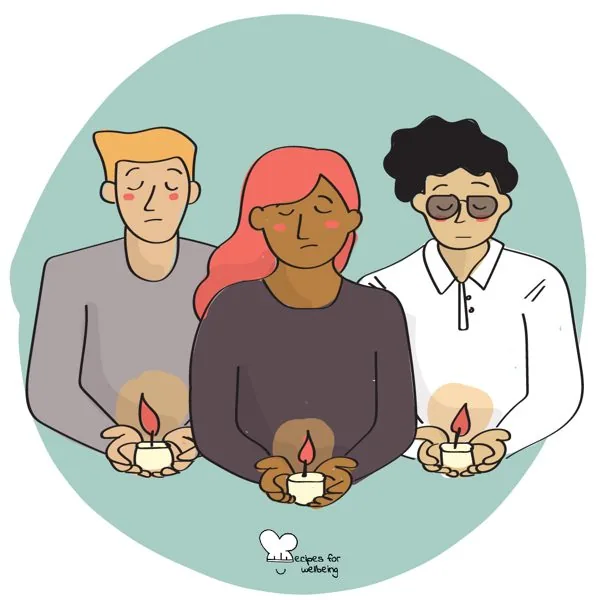
Wherever you are starting from, there is a way in.
Choose what fits the room you have today, and leave the rest for another day.
What Wholebeing is, and what it is not
Wholebeing makes room for the whole of a day. Tiredness, worry and grief belong in it alongside joy, and a practice can hold them without trying to make them go away.
It also looks past the single person. How a young person feels depends on their friends, their home, their school and the world they are growing up in. So these practices cannot repair a timetable that asks too much, and they are not meant to carry that weight. They can offer you and your students a place to pause together, and words for what the room needs.
Wholebeing includes you. You bring your own energy, limits, questions and experience into the room, and nothing here asks you to perform being well. Begin where you are, adapt what does not fit, and let a practice stay unfinished when that is the honest place to stop.
What five minutes can look like
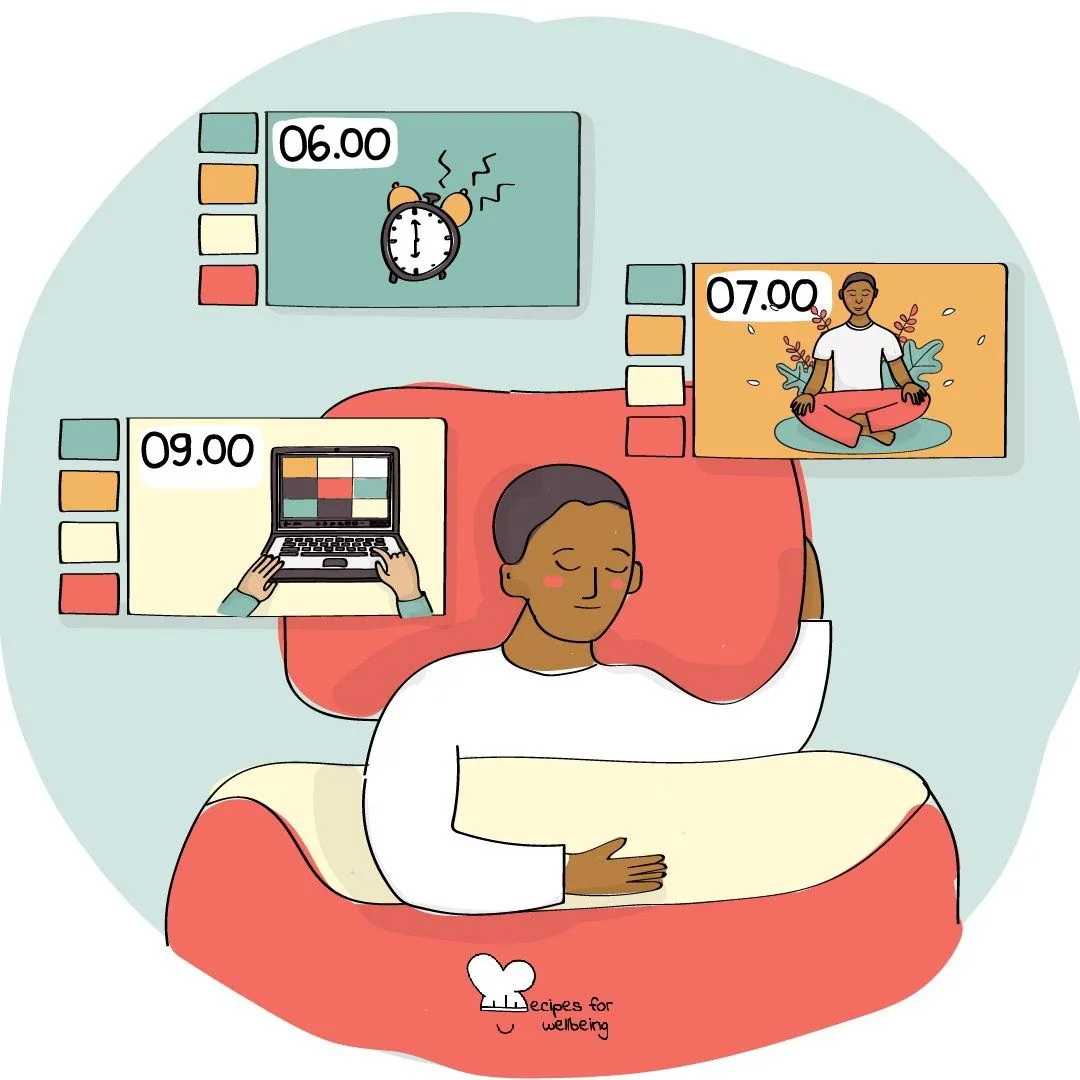
Each day of the week has a practice that takes a few minutes at the start or end of a class.
There is nothing to prepare or mark. You read a short script aloud, give the room enough time to respond in its own way and then continue with the lesson you were already teaching. Some practices will feel easy to enter and others will not, and both responses offer useful information about what the room needs.
Arriving here
“Welcome back. Before we begin the new term, take a moment to arrive in this room. Sit in whatever way feels comfortable.”
Ninety seconds of nothing
“For the next ninety seconds, there is nothing you need to produce and nothing you will be asked to show afterwards.”
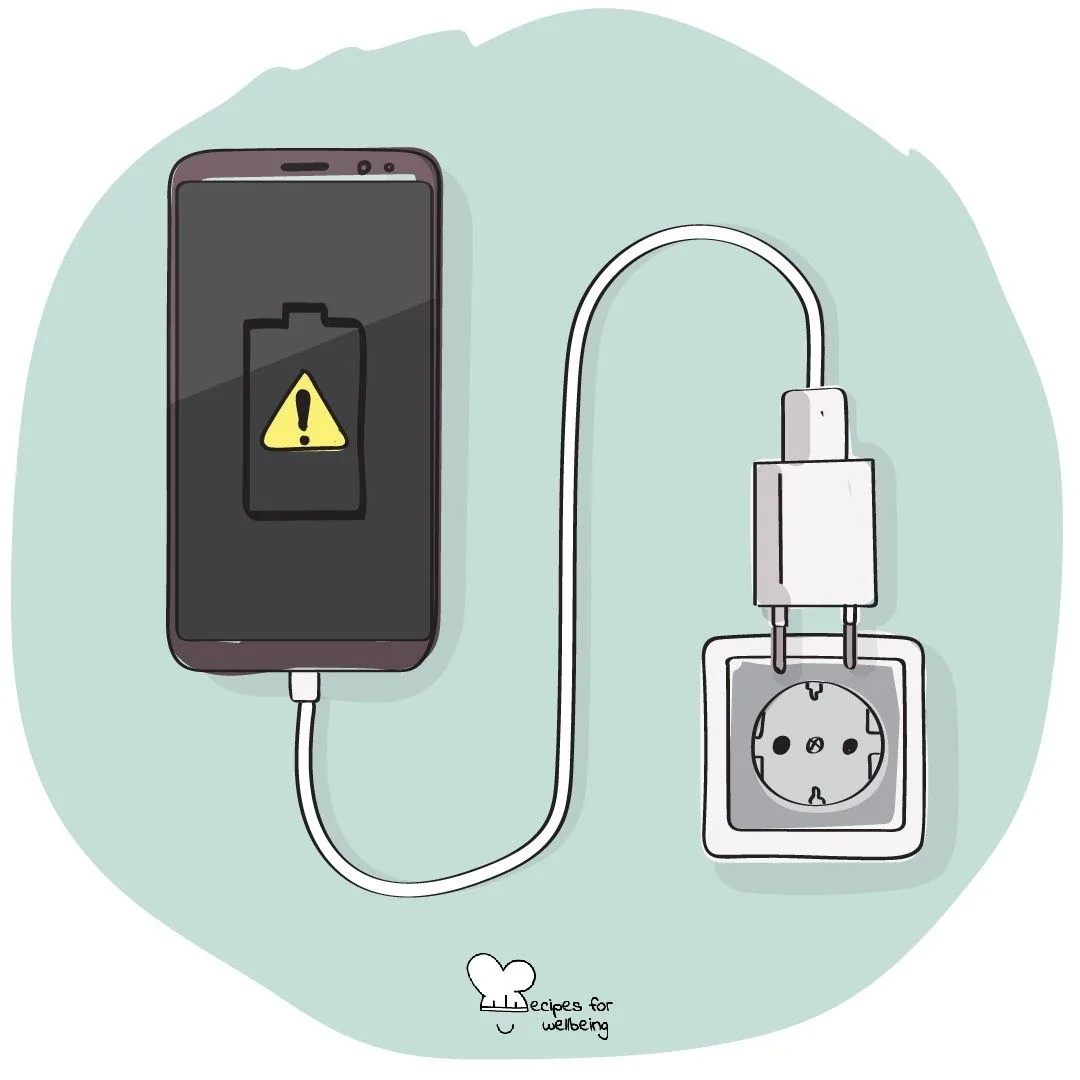
The unopened phone
“Wherever your phone is right now, leave it there. For one minute, notice any pull you feel to check it.”
Three good things
“Before we pack up, bring to mind three small things that went well today. Ordinary moments count, and they do not need to matter to anyone else.”
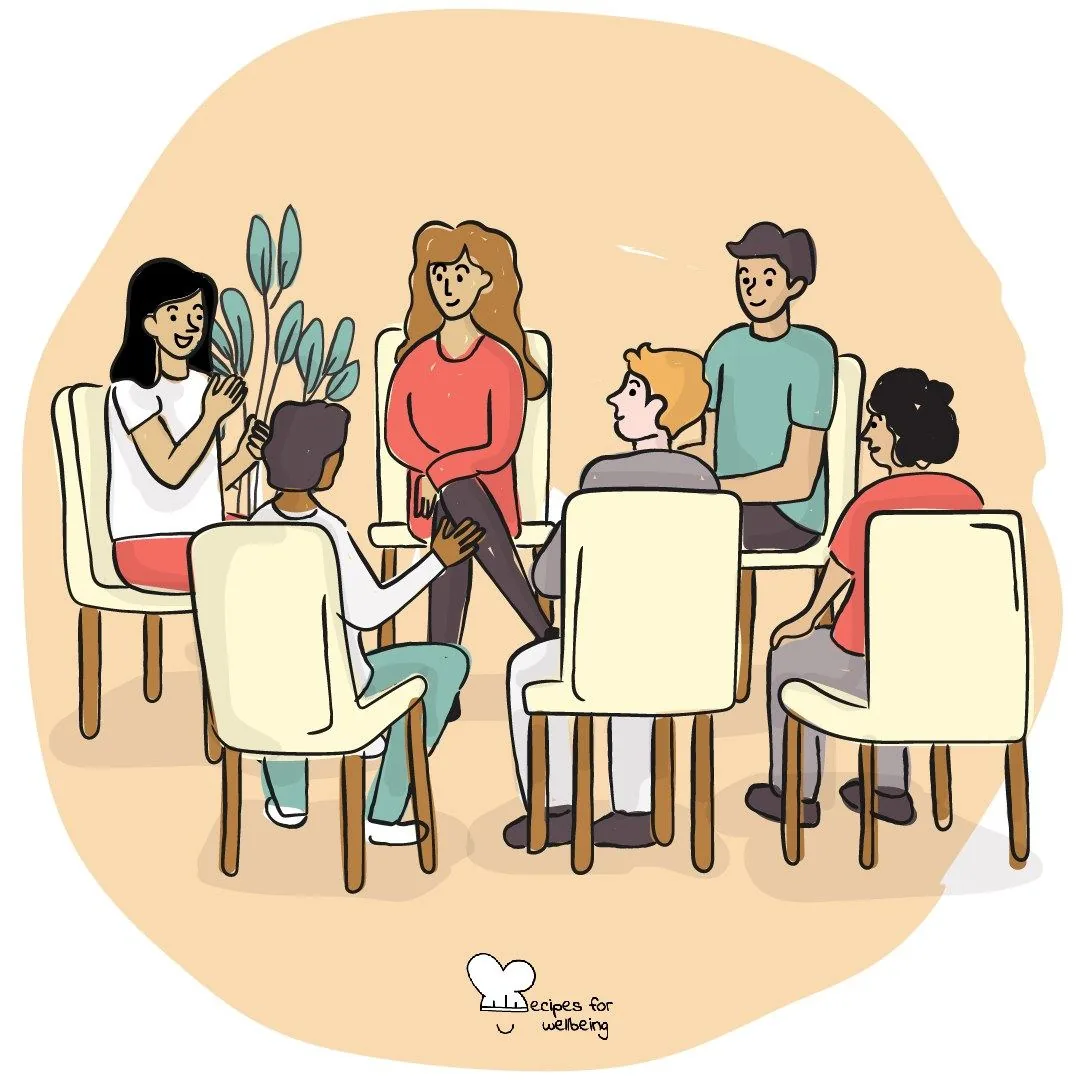
One word for the road
“Before we go, I will invite each person to offer one word for how they are leaving the room. Any honest word is welcome, including ‘tired’ or ‘hungry’.”
Wellbeing is not a solo project. We learn to thrive together.
The Wholebeing framework
Longer lessons, each one built around a single wholebeing skill
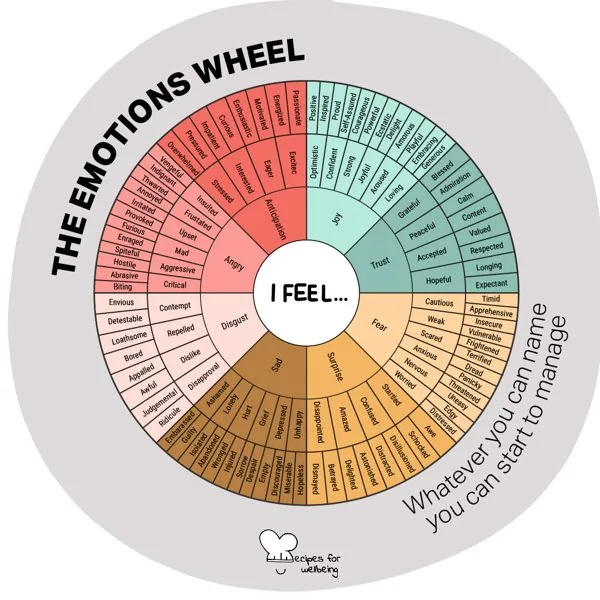
A skill a week, written for you
The rest of this site is made for the young people in your room. Our Substack is where we write to the adult holding it together: one wholebeing skill at a time, with a practice you can try on your own long before you bring it to a class. It is free, and it arrives about once a week.
The questions teachers actually ask
Is it really free?
Yes. Every card, lesson and illustration here is free to use in your classroom under a Creative Commons licence (CC BY-NC 4.0). The only thing we ask is that you do not sell them. Building something commercial? Email info@recipesforwellbeing.org and we will talk.
Who is it for?
Educators working with young people aged 13 to 18, in schools, youth clubs, or any group setting. Every lesson carries adaptations for 13 to 15 and 16 to 18.
Do I need to be an expert in this?
No. Each lesson and card is scripted, so you can run it as written. Most of what makes it work is reading the words with care and letting a silence sit. You are allowed to be a beginner in the room alongside your students.
Is it safe to use in class?
We have built it to be. Every practice is low-disclosure by design: nothing asks a student to share something painful, “pass” is always allowed, and each lesson carries safeguarding guidance and a route to your school’s usual pastoral support.
Even so, we cannot guarantee how any student will respond, and this work can stir strong feelings. You know your students best, so adapt or skip whatever does not fit your room, and follow your school’s safeguarding procedures. These practices sit beside pastoral care and professional support. They do not replace either.
How is this made?
We draft with AI help, inside the Wholebeing framework, and pass all of it through the Recipes for Wellbeing voice. The illustrations are Ina’s, drawn by hand. How we make it.
Does it fit my curriculum?
Each lesson is mapped to 29 frameworks: the national curricula of 18 countries across Africa, Asia, the Americas, Europe and Oceania, two regional frameworks, and 5 used worldwide. Choose where you teach on the curriculum map, and every lesson will show where it may fit. If your country is not there yet, tell us which curriculum you follow and we will add it.
Can I use it outside the UK, and adapt it?
Yes. It is built for educators everywhere. Every lesson pack includes an editable document so you can change the names, examples and structures to fit your context, and there is a short guide on adapting it well.
Where do the illustrations come from?
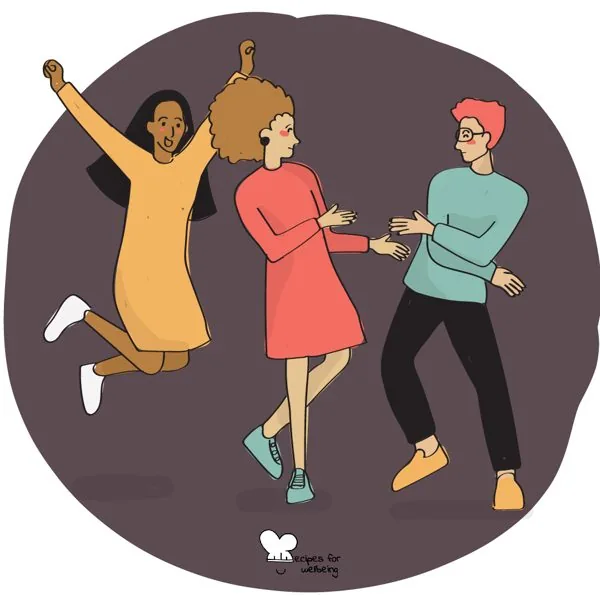
Every illustration is hand-drawn for Recipes for Wellbeing by Heliana “Ina” Lubis, a motion designer and illustrator based in Bandung, Indonesia. They are free for classroom use under the same licence.